
Jyväskylä
Aalto architecture between the campus and the lakes
Jyväskylä combines a university city, lakeside walks and the architecture of Alvar Aalto. Walk between Aalto2, Seminaarinmäki and Lutakko, then set aside another day for buildings beside Lake Päijänne. Timed interior visits determine the order of an architecture trip.
On this page
A city day from Harju to Lutakko
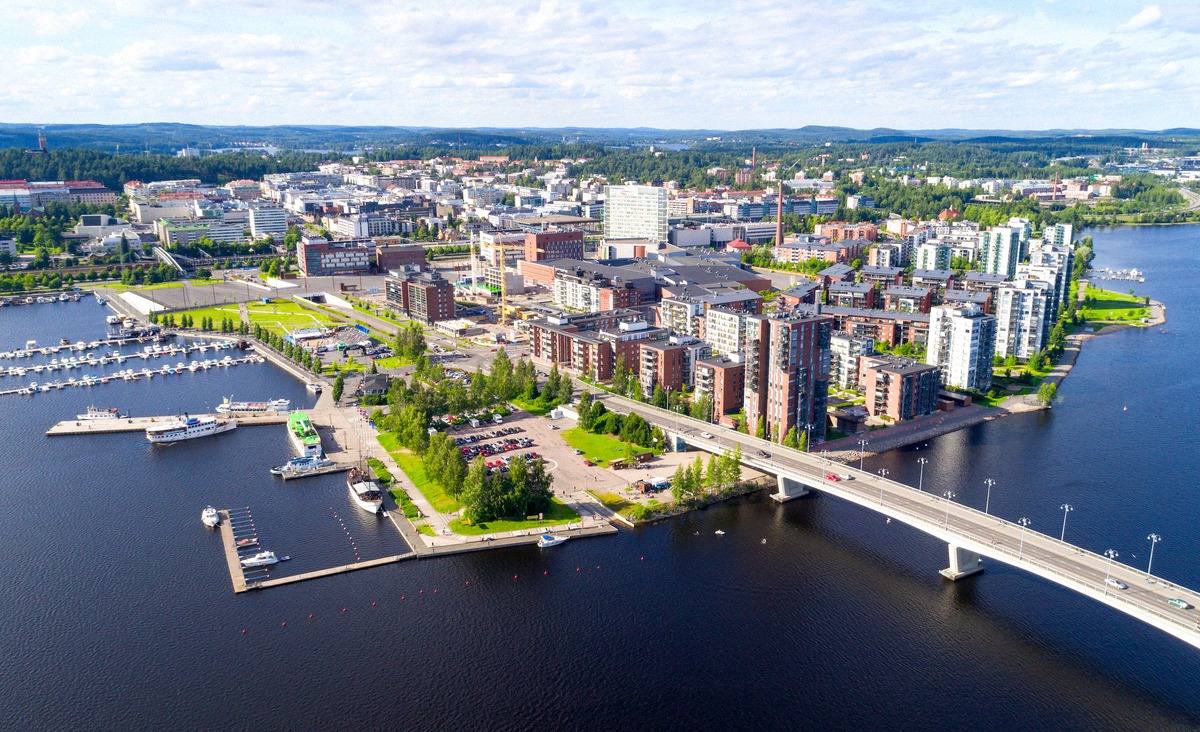
The centre sits between the wooded Harju ridge and Lake Jyväsjärvi. Kauppakatu's pedestrian street and Kirkkopuisto church park form the urban core. Paths and steps lead up Harju towards the Vesilinna tower; the lakeshore offers a flatter alternative if the climb does not suit you.
For a first full day, begin on Harju, come down through Kirkkopuisto and follow Seminaarinkatu towards the university campus and Aalto2. Spend the afternoon at the museum, then continue to Lutakko for the waterfront. The harbour has summer excursion boats, while the promenade and views towards Kuokkala Bridge remain worthwhile beyond the boating season. If you arrive late by train, reverse the emphasis: take a short harbour walk first and leave architecture for the next day.
Aalto2 and Seminaarinmäki
Aalto2 brings the Alvar Aalto Museum and the Museum of Central Finland together. Both museum buildings were designed by Aalto. The displays provide context for architecture and design as well as the region, making this a useful introduction before visiting individual buildings.
Nearby Seminaarinmäki is the university's oldest campus. Aalto's buildings sit among older architecture and green spaces; walking the outdoor routes helps explain how the ensemble fits its terrain. Teaching continues here, so interior access is limited to the areas open to visitors.
The campus is part of the Aalto Works World Heritage property, together with Jyväskylä's Säynätsalo Town Hall and Muuratsalo Experimental House. Aalto2 explains the connections but is not itself one of these three component sites.
Säynätsalo and Muuratsalo
Set aside a half-day for Säynätsalo Town Hall south of the centre. Red brick, an elevated courtyard and the council chamber give the building its character. Interior visits have opening and booking arrangements; advance reservations matter particularly outside summer. Linkki buses provide an alternative to driving or cycling.
Muuratsalo Experimental House was Alvar and Elissa Aalto's studio and summer home. Its courtyard explores materials and brickwork. Visits take place on pre-booked guided tours in summer, with uneven woodland paths on the approach. It is not wheelchair accessible.
For a two-day architecture stay, let the Muuratsalo booking determine the second day's order. Without a tour reservation, visit Säynätsalo as an excursion in its own right. Winter puts greater emphasis on the museum, town hall and city.
Petäjävesi or another lake day
Petäjävesi Old Church lies west of Jyväskylä. This wooden cruciform church is a separate World Heritage Site, with seasonal opening and visits by arrangement outside those hours. It is not part of Aalto Works. Since it lies in a different direction from the Päijänne buildings, add a day if you want both excursions without rushing.
Arriving and choosing accommodation
Trains and long-distance buses share a central arrival area. The centre or Lutakko works well without a car for museums and waterfront walks. Trains link the city with Helsinki and Tampere; check the particular connection for changes. A car helps combine rural sites and Lakeland cottages. Book architectural interiors first, then assemble the transport and overnight stops around them.